 TenorOps
Food Safety
Ontario Restaurant Food Safety & Inspection Checklist
A practical food safety and health inspection checklist for Ontario restaurants, designed for compliance with O. Reg. 493/17 and passing public health audits.

Introduction and Scope of Ontario Food Safety Regulation
In Ontario, Canada, retail food service operations are subject to strict regulatory oversight to protect public health and prevent foodborne illnesses. The primary piece of provincial legislation governing food service premises—including restaurants, cafes, bars, caterers, and food trucks—is Ontario Regulation 493/17: Food Premises (FPR), enacted under the provincial Health Protection and Promotion Act, R.S.O. 1990, c. H.7 (HPPA).
For restaurant owners, operators, and kitchen managers, understanding the distinction between binding provincial law and municipal administrative guidance is crucial. While O. Reg. 493/17 dictates the enforceable legal standards, the Ontario Ministry of Health's Food Premises Reference Document, 2019 provides administrative and scientific guidance on how to achieve compliance. Locally, these standards are enforced by Public Health Inspectors (PHIs) representing regional health units (such as Toronto Public Health, Ottawa Public Health, and Peel Public Health).
This guide outlines the critical operational requirements of O. Reg. 493/17 and provides an actionable daily checklist designed to keep your kitchen compliant, protect your guests, and help you pass health inspections.
Disclaimer: This resource is provided for informational and educational purposes only and does not constitute formal legal advice or professional regulatory counsel. Operators must consult their local public health unit and the official text of Ontario Regulation 493/17 for precise compliance requirements.
Public Health Inspections and Municipal Disclosure Programs
Under Ontario's Food Safety Protocol, 2019, public health units categorize food premises by risk level based on the extent of food preparation, the population served, and past compliance history. This categorization determines the minimum frequency of unannounced inspections:
- High-Risk Premises: Minimum of three inspections per year (e.g., full-service restaurants preparing complex menus from raw ingredients).
- Moderate-Risk Premises: Minimum of two inspections per year (e.g., fast-food outlets or bakeries with limited food preparation).
- Low-Risk Premises: Minimum of one inspection per year. Premises that sell only pre-packaged, non-hazardous foods, such as many convenience stores, are inspected at least once every two years.
The Posting Mandate
In accordance with Section 6 of O. Reg. 493/17, every operator of a food premise must post the results of an inspection in accordance with the inspector's request.
Municipal Disclosure Schemes and Infraction Levels
Many Ontario municipalities use public disclosure systems that assign color-coded cards or signs that must be displayed at the main entrance. For example, Toronto's DineSafe program categorizes infractions during audits into three levels:
- Crucial Infractions: Serious violations that present an immediate health hazard. Examples include holding potentially hazardous foods in the Temperature Danger Zone, a sewage backup, lack of potable water, or a severe pest infestation. These require immediate corrective action or the inspector will issue a closure order (Red Sign).
- Significant Infractions: Violations that present a potential health hazard. Examples include failing to provide hot and cold running water under pressure at handwashing sinks, inadequate sanitiser concentration, or failing to have a certified food handler on-site. Operators are typically given 24 to 48 hours to correct these violations.
- Minor Infractions: Low-risk violations related to general maintenance and sanitation. Examples include minor structural wear on walls or ceilings, or keeping cleaning utensils improperly stored. These must be corrected immediately; the inspector checks them again at the next scheduled inspection.
Core Temperature Control Mandates (Section 27)
To prevent the rapid proliferation of pathogenic bacteria, Section 27 of O. Reg. 493/17 establishes strict legal thresholds for potentially hazardous foods (also known as high-risk or time/temperature control for safety foods).
The Temperature Danger Zone
The Temperature Danger Zone is the range between 4°C and 60°C (40°F and 140°F). Bacteria multiply exponentially within this temperature window.
- Cold Storage & Holding: Potentially hazardous foods must be distributed, stored, transported, and displayed at an internal temperature of 4°C (40°F) or lower (O. Reg. 493/17 s. 27(1)(a)).
- Freezer Storage: Frozen foods must be kept frozen solid (ideally at -18°C (0°F) or colder to maintain product quality, though the regulation simply mandates keeping them frozen).
- Hot Holding: Previously cooked food being held for service must be kept at an internal temperature of 60°C (140°F) or higher (O. Reg. 493/17 s. 27(1)(b)).
- Active Preparation Exception: Potentially hazardous foods are permitted to enter the Temperature Danger Zone during active preparation, processing, or manufacturing, but this period must not exceed two hours in total (O. Reg. 493/17 s. 27(2)(a)). As a matter of good practice, throw out food that has spent longer than that in the danger zone.
Probe Thermometers and Verification
Section 30(b) requires refrigeration and hot-holding equipment to contain accurate indicating thermometers that can be easily read. A probe thermometer is not named in the regulation, but it is the practical way to check internal food temperatures. When measuring internal temperatures, staff should:
- Insert the metal probe into the thickest part of the food (or the centre).
- Wait at least 15 seconds for the digital display to steady before recording the temperature.
- Clean and sanitise the probe using an alcohol swab or sanitising solution before and after every use to prevent cross-contamination.
Dishwashing & Utensil Sanitising Regulations (Sections 18–20)
Ontario Regulation 493/17 mandates that all multi-service utensils (tableware, glassware, flatware) and kitchen equipment be washed, rinsed, and sanitised using approved methods.
Manual Dishwashing (The Three-Sink Method)
Multi-service articles must be washed in mechanical equipment or by hand in a sink with enough compartments for the method you use (O. Reg. 493/17 s. 18). A three-compartment sink is the usual set-up for washing by hand:
- Compartment 1 (Wash): Clean warm water and detergent to remove food particles.
- Compartment 2 (Rinse): Clean warm water to rinse away detergent residues.
- Compartment 3 (Sanitise): Immersion in a clean sanitising solution for at least 45 seconds using one of the following validated parameters (O. Reg. 493/17 s. 19):
- Hot Water: Clean water maintained at at least 77°C (170°F).
- Chlorine Solution: At least 100 parts per million (ppm) available chlorine at a temperature not lower than 24°C (75°F).
- Quaternary Ammonium (Quat): At least 200 parts per million (ppm) at a temperature not lower than 24°C (75°F).
- Iodine Solution: At least 25 parts per million (ppm) at a temperature not lower than 24°C (75°F).
Note: Section 18 allows a two-compartment sink in limited cases, where washing and rinsing are done in the first compartment and the second is used for sanitizing. Check the conditions with your inspector before relying on one.
Mechanical Dishwashing (Section 20)
Commercial dishwashers must meet strict mechanical and temperature criteria:
- Wash Cycle: Clean wash water maintained between 60°C and 71°C (140°F and 160°F).
- Sanitising Rinse Cycle (High-Temp Machines): Sanitising rinse water maintained at at least 82°C (180°F) and applied for a minimum of 10 seconds in each cycle.
- Low-Temp Machines: Must apply a chemical sanitiser at the same chemical concentration limits required for manual sanitising.
- Thermometers: All mechanical dishwashers must be equipped with easily readable temperature gauges indicating both wash and rinse water temperatures.
How ready is your kitchen? Score it against Ontario's rules in about three minutes. Take the free check →
Food Handler Certification Mandate (Section 32)
Under Section 32 of O. Reg. 493/17, every operator of a food service premise must ensure that at least one certified food handler or supervisor is on the premises during every hour in which the premises is operating.
To count toward this requirement, food handlers must complete food handler training that meets the regulation's definition; confirm the course and its exam requirements with the provider. Keeping copies of current certificates on-site, on paper or digitally, makes them easy to show a Public Health Inspector.
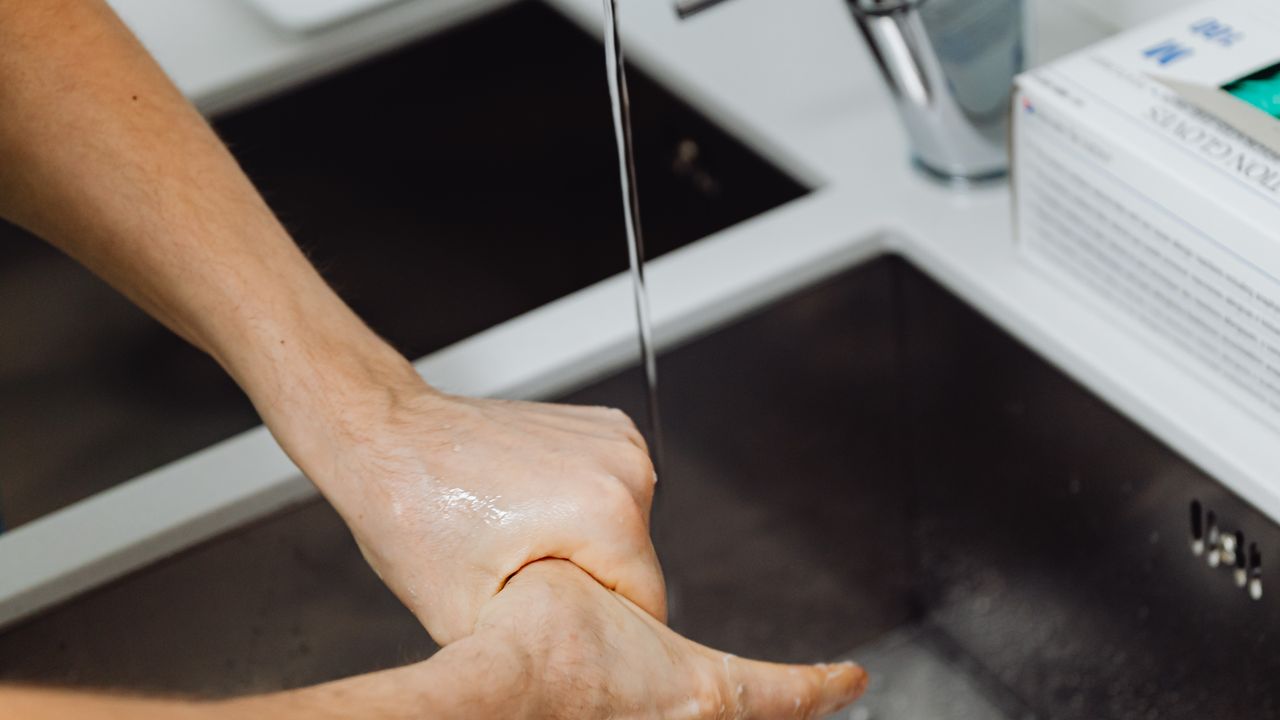
The Complete Ontario Food Safety & Inspection Checklist
Use this structured operational checklist to perform daily and weekly walk-throughs to ensure full compliance with O. Reg. 493/17.
| Checklist Category | Compliance Checklist Item | O. Reg. 493/17 Reference | Frequency |
|---|---|---|---|
| Handwashing Stations | Sinks are strictly designated for handwashing only (never for prep or dishwashing). | Section 7(4) | Daily / Per Shift |
| Handwashing Stations | Sinks are fully stocked with potable hot and cold running water under pressure, liquid soap in a dispenser, and single-use paper towels or hot-air dryers. | Section 7(3)(b)–(c) | Daily / Per Shift |
| Temperature Control | Refrigerator temperatures measure 4°C (40°F) or lower and have accurate, visible thermometers. | Sections 27 & 30 | Twice Daily |
| Temperature Control | Hot holding units keep foods at 60°C (140°F) or higher and are equipped with visible indicators. | Sections 27 & 30 | Twice Daily |
| Temperature Control | Frozen foods are kept frozen solid (ideally at -18°C or lower). | Section 28 | Daily |
| Dishwashing & Sanitising | Manual sanitising sink solutions measure at correct concentrations (100 ppm chlorine or 200 ppm quat) verified with test strips. | Section 19 | Per Shift / 4 Hours |
| Dishwashing & Sanitising | Mechanical dishwasher wash water is 60°C–71°C and high-temp sanitising rinse is at least 82°C for 10 seconds. | Section 20 | Per Shift |
| Food Protection | All food is stored off the floor on clean racks, shelves, or pallets (15 cm is a common standard). | Section 31 | Daily |
| Food Protection | Raw meats, poultry, and fish are stored on the lowest shelves of the refrigerator, below ready-to-eat foods, to prevent cross-contamination. | Section 26 | Daily |
| Food Protection | All food items are labeled with preparation dates and used or discarded according to First In, First Out (FIFO) protocols. | Suggested practice | Daily |
| Personal Hygiene | All food handlers wear clean outer garments, hair restraints (hair nets or caps), and practice rigorous, frequent hand hygiene. | Section 33 | Continuous |
| Pest Control | No evidence of pests (droppings, nesting materials, or live insects/rodents). Entry points are sealed, and pest control logs are up-to-date. | Section 13 | Weekly |
| Facility Sanitation | Floors, walls, and ceilings are clean, smooth, non-absorbent, in good repair, and free of pooled water or grease build-up. | Section 7(1) | Daily / Weekly |
| Staff Certification | At least one certified food handler or supervisor is on-site, and certificates are accessible for review. | Section 32 | Continuous |
Common Failures, Corrective Actions, and Evidence Logs
Maintaining a safe kitchen requires immediate, documented corrective action when a temperature deviation or sanitary failure is detected.
| Area of Failure | Observed Compliance Deviation | Immediate Corrective Action | Long-Term Preventive Action | Verifiable Record (Evidence) |
|---|---|---|---|---|
| Cold Holding | Refrigerator is ambiently measuring 6°C (43°F). | Probe the internal food. If food has been >4°C for under 2 hours, move to an operational walk-in or freezer. If over 2 hours or time is unknown, discard the food immediately. | Establish a monthly preventive maintenance contract for commercial compressors and door seals. | Food Temperature Log Template |
| Dishwashing | Quat sanitiser concentration in Compartment 3 measures 50 ppm (below the 200 ppm mandate). | Drain Compartment 3 completely. Re-fill with clean warm water and fresh quaternary ammonium chemical. Re-test with a fresh test strip to verify concentration. | Install an automatic chemical dispensing system calibrated quarterly by your chemical supplier. | Daily Sanitising Log |
| Hot Holding | Cooked beef stew in a steam table is measuring 52°C (125°F). | If temperature has been below 60°C for under 2 hours, rapidly reheat the stew on a stovetop to 74°C (165°F) and return to a pre-heated well. If over 2 hours, discard. | Train kitchen staff to pre-heat all steam tables and hot holding wells before placing cooked food in them. | Daily Line Check Log |
| Pest Control | Mouse droppings discovered in the rear dry storage area. | Clean and sanitise the area immediately. Seal any visible gaps, cracks, or holes in walls and floors. Contact your licensed pest control provider. | Schedule monthly preventative professional pest inspections and keep all dry food in airtight plastic bins. | Restaurant Pest Control Checklist |
| Staff Training | No employee on shift has a valid Ontario Food Handler Certificate. | Contact a certified manager or supervisor to report to the site immediately. Relieve uncertified handlers from critical preparation duties. | Implement a mandatory onboarding standard: all kitchen employees must obtain certification within 30 days of hire. | Staff Training Matrix / Certificates |
Ontario-Specific Local Caveats
While O. Reg. 493/17 establishes the baseline law across Ontario, operators must navigate local health unit nuances and specific recordkeeping requirements.
Manufactured Meat Product Recordkeeping
Section 34 of O. Reg. 493/17 requires that any operator of a food premise where manufactured meat products are processed must develop written food safety procedures. Under Section 36, those premises must keep records of the meat products they manufacture, including supplier names and addresses and dates of receipt, for at least one year, and Section 29(2) requires every operator to keep records of all food purchases on the premises until at least the first anniversary of the purchase date. These records allow Public Health Inspectors to trace ingredients in the event of a foodborne illness outbreak or a recall.
Municipal Inspections and Disclosure Systems
Municipal disclosure programs vary in implementation. Toronto Public Health's DineSafe issues Green (Pass), Yellow (Conditional Pass), or Red (Closed) notices. Other municipalities, such as Ottawa, publish detailed online inspection reports. Regardless of the municipal format, operators must understand that inspectors enforce the same provincial O. Reg. 493/17 code,, including the rule to post inspection results as the inspector requests. Across the border in Quebec there are no door cards at all; MAPAQ inspections lead to a public listing only when they end in a conviction or a permit suspension.
Specialized Food Processes
Under the modernized, outcome-based design of O. Reg. 493/17, operators may implement alternative food processing methods (such as low-temperature sous-vide cooking, charcuterie, in-house curing, or the acidification of sushi rice). However, the regulation requires operators to demonstrate evidence-based safe outcomes. Talk to your local public health unit before starting these processes: inspectors commonly ask to see a written Hazard Analysis Critical Control Point (HACCP) plan or other evidence that the method is safe.
Operational Excellence with TenorOps
Achieving continuous, audit-ready compliance across a busy kitchen or multiple restaurant locations is challenging when relying on paper-based logs. Paper checklists are easily lost, susceptible to "pencil-whipping," and provide no real-time visibility for operators.
The TenorOps platform helps restaurant operators digitalise their entire compliance framework. TenorOps automates daily temperature logging, sanitiser concentration tracking, and pest control verification with photographic evidence and tamper-proof digital timestamps.
- Standardise your daily management routines with our Restaurant Manager Daily Checklist.
- Control your incoming supply chain using the Food Receiving Checklist.
- Master national standards with the Canada Safe Food for Canadians Regulations Guide.
- Ensure critical thermal safety with the Canada Restaurant Food Temperature Guide.
Request a TenorOps demo to standardise your kitchen workflows and pass every health audit today.
Official sources
- Government of Ontario - Food Premises Regulation (O. Reg. 493/17)
- Government of Ontario - Health Protection and Promotion Act, R.S.O. 1990, c. H.7
- Ontario Ministry of Health - Food Premises Reference Document, 2019
- Ontario Ministry of Health - Food Safety: A Guide for Ontario's Food Handlers
- City of Toronto - DineSafe Inspection System