 TenorOps
Food Safety
Alberta Restaurant Inspection Readiness Check
A free self-check for Alberta restaurants built on the Food Regulation. Answer 12 questions and get a score out of 100 with your top gaps.
The rule Alberta operators argue about
Ask a room of Alberta restaurant owners whether a certified person has to be in the building, and you'll get confident answers both ways. The real answer depends on a head count.
Section 31 of Alberta's Food Regulation sorts kitchens by how many food handlers are working at the same time. The regulation counts anyone who handles food, utensils or equipment, so the dishwasher and the server plating desserts count along with the cooks.
- Five or fewer food handlers working: at least one person who has care and control of the establishment must hold a food safety certificate issued by the province, or a document the province accepts as equivalent.
- Six or more: the certificate has to belong to a member of the management or supervisory staff, and that person has to be present at the time.
So a small café can meet the rule on a quiet Tuesday and miss it at Saturday brunch with the same staff list, because brunch runs past six food handlers and the only certified supervisor has the day off. Section 31 doesn't apply where the only unpackaged food on offer is low-risk, or where everything arrives pre-packaged and is sold in that same form.
That rule is one of the questions in our Alberta inspection readiness check. It's a free self-check with twelve questions. You get a score out of 100 the moment you finish, with your biggest gaps listed first.
What the check asks
Nine questions are the same ones we ask operators everywhere in Canada, because they cover what inspectors look at first in any kitchen:
- whether you check and record fridge, freezer and hot-holding temperatures
- how you cool large batches of cooked food
- handwashing sinks, and what staff do when they're sick
- sanitizer strength and dishwasher temperatures or chemical levels
- your cleaning schedule
- how stored food is covered, labelled, dated and arranged
- allergen information
- pest checks
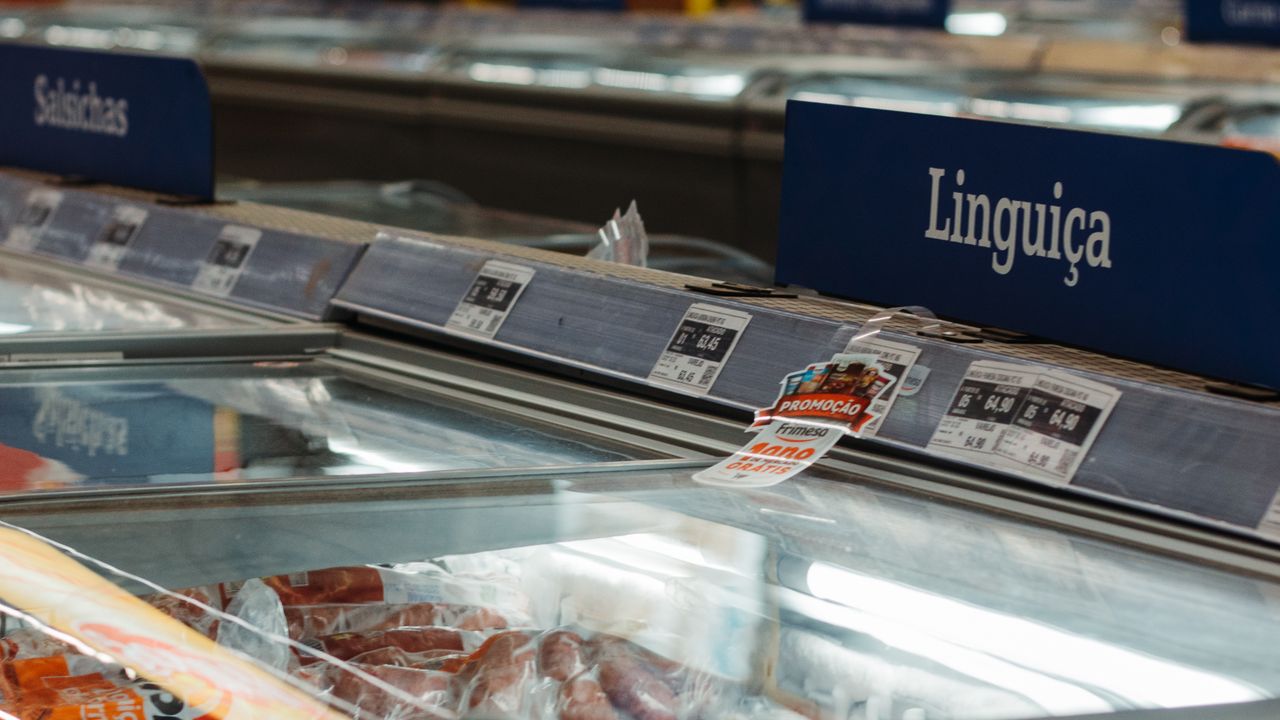
Alberta's regulation is specific about temperatures. High-risk food has to be stored, displayed and transported at 4°C or colder, or at 60°C or hotter, unless an executive officer authorizes different temperatures. Whole raw shell eggs have their own limit of 7°C.
The other three questions are Alberta's own. One is the certificate rule above. The other two are paperwork that's easy to let slide.
Written sanitation procedures. Section 29 requires every commercial food establishment to have written procedures for keeping the place sanitary. They have to set out the cleaning and sanitizing requirements for the premises and for equipment and utensils that don't normally go through the dishwasher. They also need a list of every cleaning and sanitizing agent you use, with its concentration and what it's for. Plenty of kitchens have a cleaning schedule taped to the wall and no list of chemicals anywhere, so the check asks about the list on its own.
The permit on the wall. Section 14 requires your permit to be displayed in a conspicuous place where the people you serve can easily see it. A permit in the office filing cabinet doesn't meet that.
How ready is your kitchen? Score it against Alberta's rules in about three minutes. Take the free check →
Who comes through the door
Inspections are done by public health inspectors acting as executive officers under the Public Health Act. The title matters, because the regulation gives executive officers some discretion. They can approve alternative holding temperatures where they're satisfied the food stays safe, for example. Orders issued to food businesses are posted online, so a bad visit doesn't stay private.
For a section-by-section walk through the regulation, see our Alberta restaurant food safety checklist. If you're in Calgary, the Calgary food premises inspection guide covers how inspections and orders play out in the city.
What you get at the end
The score is out of 100 and weighted. A question that bears directly on food safety counts for more, so a missing temperature log costs you more than a permit in a drawer. Your top gaps appear on screen as soon as you finish, each with the reason an inspector would care.
Enter your email and we'll send the full report. It covers every gap, not just the top few, with a short plan to fix each one and links to the printable checklists that go with them. You can print those and work on paper, or open them in a free TenorOps account.
A good score isn't a pass. It shows how your answers line up with what inspectors commonly look at, and that's all. The inspector's report is the only official result.
Before you start
Have this week's temperature log, your cleaning sheets and next month's schedule nearby. The certificate question is much easier to answer honestly when you can see which shifts go past six food handlers, and who is supervising them.
When you're ready, take the Alberta inspection readiness check. If you run kitchens in more than one province, the Canada inspection readiness check links to the check for each one.